Why "we checked it" isn't quality control
Every buyer has heard some version of the same reassurance: "don't worry, we inspected the goods before loading." It sounds like quality control. Often it isn't.
A courtesy walk-through is someone opening a few boxes, glancing at the product, and sending you a thumbs-up. There's no checklist, no agreed pass/fail line, and — critically — no consequence if something is wrong. The goods ship either way, and if there's a problem, you find out in Kuwait, not in Foshan.
A real pre-shipment inspection (PSI) is a contract. Both sides agree on the criteria before production starts. The inspection happens before the balance is paid. And if the goods fail, they do not ship, and they do not cost the buyer. That's the difference between inspection with teeth and inspection for show.
The gap between the two rarely shows up until something goes wrong. A shipment that "passed" a courtesy check but arrives with a defect rate no one caught costs the buyer twice — once for the goods, once for the scramble to fix a customer-facing problem after the container has already landed. A contractual PSI is designed to catch that before it becomes a Kuwait-side problem at all.
What does a real pre-shipment inspection actually check?
A proper PSI works through the order systematically, not randomly. Here's what it covers, in the order it typically happens.
AQL sampling — how many units actually get checked?
You can't open every carton in an order of several thousand units, so inspectors use AQL (Acceptable Quality Limit) sampling — a standard statistical method that sets how many units to pull from the order and how many defects are allowed before the whole batch fails.
AQL sorts defects into two tiers:
- Major defects — the product doesn't work as intended, is visibly wrong, or would likely trigger a customer return (wrong stitching, a cracked housing, a function that doesn't fire).
- Minor defects — cosmetic issues a typical end customer probably wouldn't notice or reject over (a light scuff, slight color variance).
The buyer sets the acceptable threshold for each tier before production starts. If the sample exceeds it, the batch is rejected — not "flagged," rejected.
Function and safety tests — does it actually do what it's supposed to do?
Looking at a product tells you little about whether it works. Function testing puts it through its actual use case: does the switch turn on and off reliably, does the zipper hold under tension, does the electrical item pass a basic safety check, does the mechanism operate the number of times it's rated for. This is where most "looks fine in photos" problems get caught — before they become a customer complaint weeks later.
Measurement vs. spec — does it match what was approved?
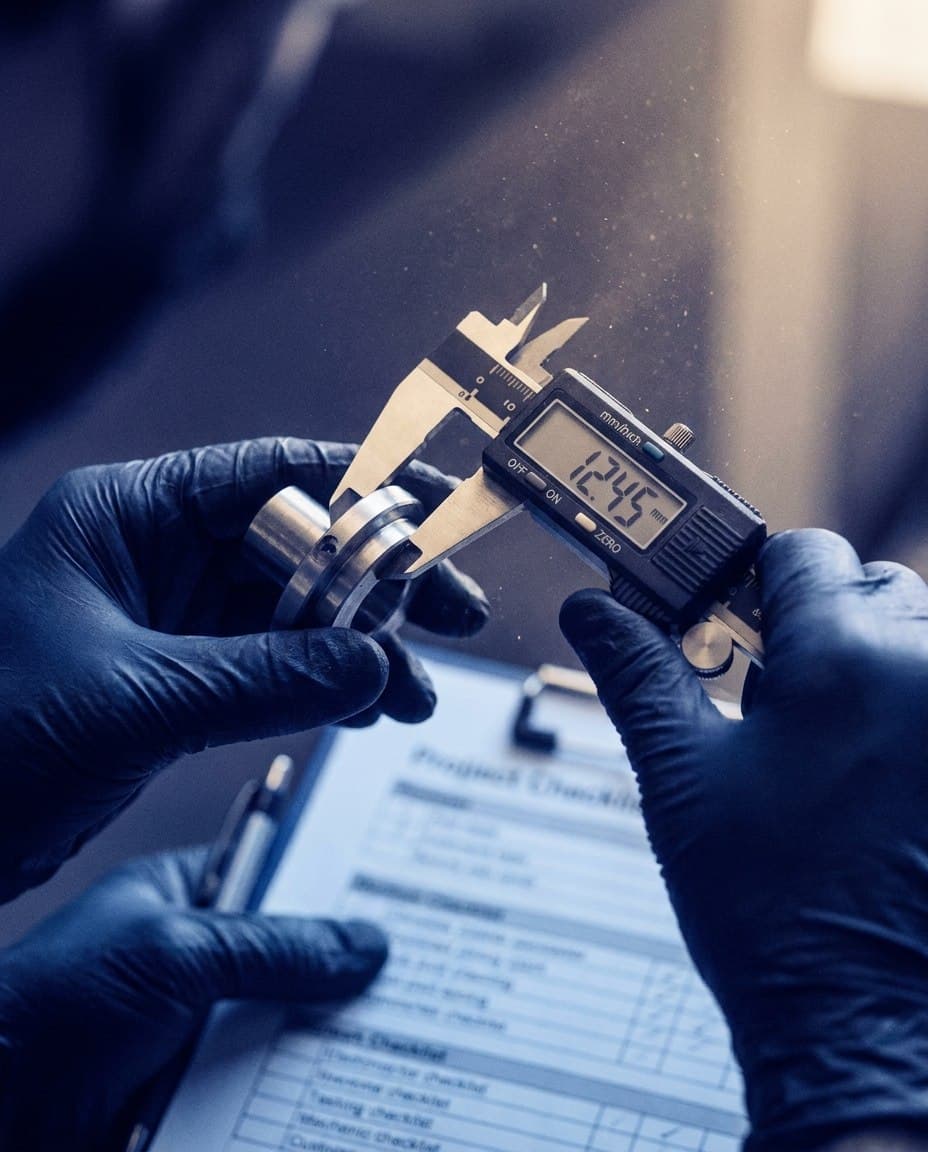
Every product has a spec sheet — dimensions, weight, materials, color codes. Inspectors measure actual units against that document, not against "close enough." A garment that's a size off, a carton that's a few centimeters over the agreed dimension, or a material substitution all get caught here, before they turn into a warehousing or customs problem on your end.
Packaging and drop tests — will it survive the actual journey?
A product that's perfect inside a box that collapses in transit is still a failed shipment. Packaging checks cover carton strength, internal cushioning, and drop tests that simulate rough handling during freight and last-mile delivery. This is where a lot of buyers get surprised — the product was fine, the box wasn't, and the damage claims start after delivery.
Quantity, barcode, and labeling checks — will customs and your warehouse accept it?
Under- or over-shipping, mismatched barcodes, and incorrect labeling are unglamorous but expensive mistakes — they cause customs delays, warehouse rejections, and reconciliation headaches. A full inspection confirms carton count against the purchase order and verifies that barcodes and labels scan and match what was agreed.
Photo and video reporting — can you actually see what the inspector saw?
None of the above matters if it isn't documented. A contractual inspection produces a report with photos and video tied to the specific defects and measurements found, not a verbal "it's fine." That documentation is what lets a buyer make the call — accept, ask for rework, or reject — from Kuwait, without flying anyone to China.
Sample approved, then production, then inspection, then payment — why the order matters
The sequencing is what makes a PSI enforceable rather than symbolic:
- A production sample is approved first. This is the reference point everything else gets measured against.
- Production runs against that approved sample and spec.
- Inspection happens before the balance is paid — not after the goods have already left the factory.
- Rejected goods do not ship, and do not cost the buyer.
Reverse any one of these steps and the inspection turns advisory instead of binding. Pay the balance before inspection, and "reject" just becomes an awkward conversation about a refund that may or may not happen. Skip the approved sample, and there's nothing objective to measure production against — the inspector is left comparing the goods to a general description instead of a physical reference. The order isn't a formality — it's what gives the buyer actual leverage.
This is also why a PSI report needs to be tied to a specific purchase order and a specific approved sample, not a generic supplier quality certificate. A certificate tells you the factory is capable of good work in general. A PSI report tells you this shipment, the one about to leave the warehouse, actually meets what was agreed.
How does Dr.Ship handle inspection differently?
We treat inspection as a gate, not a gesture. A production sample is approved before the run starts. Inspection at our Foshan warehouse covers AQL sampling, function and safety tests, spec measurements, and packaging drop tests, with a photo and video report the buyer reviews directly. Goods that fail do not ship, and they do not cost the buyer. That sequencing is what turns "we checked it" from a courtesy into something a buyer can actually plan around.
If you're currently relying on a supplier's word instead of a documented, contractual inspection, it's worth finding out what that gap is costing you — book a free cost audit.